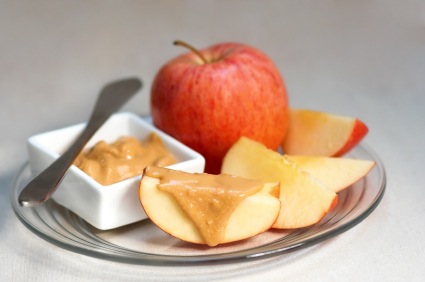
 I read an interesting post this week about a mom who has had it with constantly being asked to bring snacks for her kids' every event. While it's true we typically advocate snacking, it made me wonder if it really is appropriate for everyone out there. This lady writer had a point. We never had the vending machines and food on every corner like we do today- and I distinctly remember my parents telling me not to eat too much in the afternoon or I would spoil my dinner.
So I took a look into the research and found only 2 studied reasons that would have us closing our lips to those scrumptious snacks:
I read an interesting post this week about a mom who has had it with constantly being asked to bring snacks for her kids' every event. While it's true we typically advocate snacking, it made me wonder if it really is appropriate for everyone out there. This lady writer had a point. We never had the vending machines and food on every corner like we do today- and I distinctly remember my parents telling me not to eat too much in the afternoon or I would spoil my dinner.
So I took a look into the research and found only 2 studied reasons that would have us closing our lips to those scrumptious snacks:
First, a recent study examined the impact of a snack consumed after a standard lunch but before the subjects became hungry. The researchers fed subjects a snack (400 kcal) at various times after a 1300-kcal lunch when they were not hungry. The snack neither reduced the amount of food consumed at the dinner meal nor increased the time before the subjects requested their dinner meal. Therefore, snacking when you are aren't hungry may only add to your total caloric consumption without adequately changing our total daily input in the end.
Second, it would appear that we are less likely to need the smaller more frequent meals when we eat a lower glycemic loaded meal than a higher one. A high glycemic meal would be anything that causes a sharp rise in insulin, so things like refined carbohydrates and sugar. IN other words, when we make better choices with our meals by eating foods high in fiber, healthy fat, and protein, we automatically reduce our need for snacks because our body takes longer to digest these foods, and therefore doesn't need the frequent snacking to keep up it's metabolism.
That said, there are so many studies supporting the use of snacking for so many beneficial reasons, it seems ridiculous not to have a snack or 2 a day as long as you are aware of your total intake over the course of the day and adjust your portions accordingly. Here's some of the many studied benefits to snacking a couple times a day:
- Weight maintenance: One study used NHANES data to determine associations between snacking frequency and overweight/abdominal obesity. The study found inverse relationships between snacking frequency and mean body weight, BMI, the percentile of BMI-for-age, and waist circumference among participating adolescents. In this same study, prevalence for over-weight/obesity and the occurrence of abdominal obesity decreased as snacking frequency and energy consumed from snacks increased.
- Weight Loss: Hunger is more intense before meals than before snacks. The satiety ratio was quantified and found to be higher for snacks than meals.
- Sustained energy: Eating a morning snack can help offset the effect of a small breakfast (although getting a big breakfast is preferred!)
- Improves diet quality: When we aren't starving we make better choices.
- Helps manage Diabetes
- Assists in raising healthy eaters
- Prevents pre-term deliveries in pregnancy
Overall the verdict is still out, but more often than not, eating small snacks is a good choice. Especially when that choice includes veggies, fruits, and healthy fats.
Here's a list of 100 healthy snacks under 100 calories to get you packing those yummy snacks!

 My mom was here today watching my 5 month old twins (thank God for mom's) and she was on the fence about going to workout. She had a couple legitimate excuses, 1) she had an allergy flare up and her nose was dripping, 2) it's nearly impossible to leave my two little angels...because they are so darn cute. In the end, she ended up going to workout with the words "well I guess we will just see how it goes". Not exactly the words of enthusiasm her workout crazed child would prefer, but the fact of the matter is that she DID go workout. She didn't let her excuses get in the way of her intention.
If you find yourself needing a little nudge to get your workout going and would be thrilled to love doing it- here's my 5 step how to guide:
My mom was here today watching my 5 month old twins (thank God for mom's) and she was on the fence about going to workout. She had a couple legitimate excuses, 1) she had an allergy flare up and her nose was dripping, 2) it's nearly impossible to leave my two little angels...because they are so darn cute. In the end, she ended up going to workout with the words "well I guess we will just see how it goes". Not exactly the words of enthusiasm her workout crazed child would prefer, but the fact of the matter is that she DID go workout. She didn't let her excuses get in the way of her intention.
If you find yourself needing a little nudge to get your workout going and would be thrilled to love doing it- here's my 5 step how to guide: This past week I have pondered the question of whether it is possible to think yourself out an emotional response. This is important to me as I examine my reaction to so many different things in my life, but specifically to how I react to stress. I tent to get anxious, overwhelmed, fearful and then completely disabled when stress mounts. After a chat with my pastor, he suggested I take a look at Cognitive Behavioral Therapy as a means to change my self-talk and create a different response to my habitual negative one. I have been introduced to this type of therapy through the WellCoaches training I am taking right now, but when I thought about it on a more personal level, it occurred to me that this therapy could be used to help people overcome negative habits of any kind.
Relationship expert, Dr Alice Boyes, Psychologist suggests we list our negative thoughts or reactions and when they come up again we replace the thought for ourselves with a third person. It would look something like this..
Rather that hearing "You are a failure", you would replace the statement with an observation..."Oh there goes Susie again, she things I am a failure, but I know I am (replace with whatever positive truth you would like)." In this way we take out the emotion and allow ourselves to replace it with a thought is more rational and purposeful.
This past week I have pondered the question of whether it is possible to think yourself out an emotional response. This is important to me as I examine my reaction to so many different things in my life, but specifically to how I react to stress. I tent to get anxious, overwhelmed, fearful and then completely disabled when stress mounts. After a chat with my pastor, he suggested I take a look at Cognitive Behavioral Therapy as a means to change my self-talk and create a different response to my habitual negative one. I have been introduced to this type of therapy through the WellCoaches training I am taking right now, but when I thought about it on a more personal level, it occurred to me that this therapy could be used to help people overcome negative habits of any kind.
Relationship expert, Dr Alice Boyes, Psychologist suggests we list our negative thoughts or reactions and when they come up again we replace the thought for ourselves with a third person. It would look something like this..
Rather that hearing "You are a failure", you would replace the statement with an observation..."Oh there goes Susie again, she things I am a failure, but I know I am (replace with whatever positive truth you would like)." In this way we take out the emotion and allow ourselves to replace it with a thought is more rational and purposeful.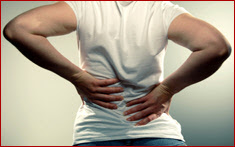 Estimates vary, but approximately 60% to 80% of us will get at least mild back pain at some time in our lives. The pain can range from a little achiness to severe pain from a fracture of the vertebra or a herniation of the disc between your vertebra that can cause radiating nerve pain known as sciatica. In any case, prevention is the best medicine, but if you are in need, here's our guide to reducing your back pain:
1) Stretch. This one seems obvious, but it is ridiculous how many people neglect simply stretching to be sure they aren't putting undue stress on their back. Here's some favorites:
Estimates vary, but approximately 60% to 80% of us will get at least mild back pain at some time in our lives. The pain can range from a little achiness to severe pain from a fracture of the vertebra or a herniation of the disc between your vertebra that can cause radiating nerve pain known as sciatica. In any case, prevention is the best medicine, but if you are in need, here's our guide to reducing your back pain:
1) Stretch. This one seems obvious, but it is ridiculous how many people neglect simply stretching to be sure they aren't putting undue stress on their back. Here's some favorites:
 Olympic hopefuls don't get to the games on accident. Ride their wave of success with these four lessons:
1) “Discipline is remembering what you want” – David Campbell
Olympic hopefuls don't get to the games on accident. Ride their wave of success with these four lessons:
1) “Discipline is remembering what you want” – David Campbell When I say "strategic" things like accounting, business development, or college planning come to mind. What doesn't come to mind is when I will work out, what I will do, and for how long will I commit to the workout. Still, most of us plan our vacations better than we plan the day to day things that could have more meaning and add more fun to our daily existence. Too often we drudge our way from one to do item to the next without stepping back and really thinking about what will make our lives more exciting and meaningful. We regress into a state of just getting by and letting life happen. Unfortunately, entropy will only ensure that if we allow ourselves to constantly go with the flow, our health may just flow right out the window.
Never in my life have I had to engage in so much planning to get anything done. That includes my workouts, or even just a quick stroll with my 4 month old twins. Last Friday I had the liberty of rejoining the morning
When I say "strategic" things like accounting, business development, or college planning come to mind. What doesn't come to mind is when I will work out, what I will do, and for how long will I commit to the workout. Still, most of us plan our vacations better than we plan the day to day things that could have more meaning and add more fun to our daily existence. Too often we drudge our way from one to do item to the next without stepping back and really thinking about what will make our lives more exciting and meaningful. We regress into a state of just getting by and letting life happen. Unfortunately, entropy will only ensure that if we allow ourselves to constantly go with the flow, our health may just flow right out the window.
Never in my life have I had to engage in so much planning to get anything done. That includes my workouts, or even just a quick stroll with my 4 month old twins. Last Friday I had the liberty of rejoining the morning